
 Business License

Pot Bearings Explained: Types, Load Capacity & Selection
In 2021, the engineering team on a cable-stayed river crossing in Southeast Asia rejected an entire shipment of pot bearings before a single one reached the site. The dimensions were correct. The paint was flawless. What failed the review was the documentation: no load test data, no rotation test record, no seal inspection. Without those, the team could not prove the bearings would perform.
A pot bearing is one of the few bridge components that has to work perfectly for decades with almost no inspection. When it doesn't, the consequences show up in the deck, the piers, and the maintenance budget.
This guide explains what a pot bearing is, how it works, the types available, how load capacity and rotation drive selection, and how to source bearings you can defend to your own client. By the end, you'll know the parameters to put in your RFQ and the test evidence to demand.
What Is a Pot Bearing?
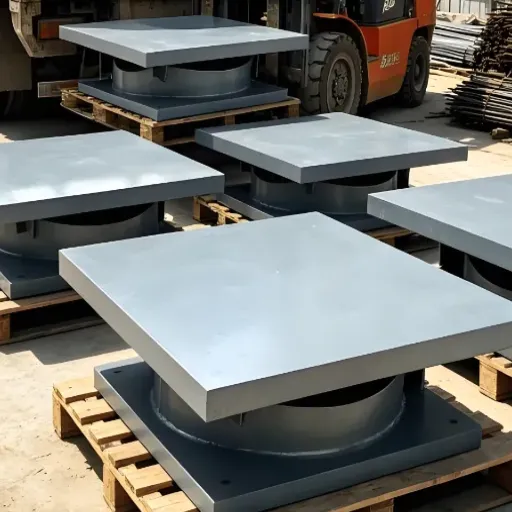
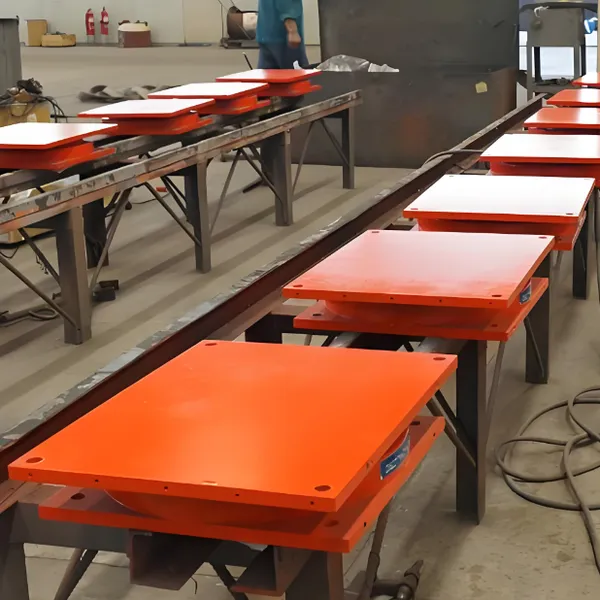
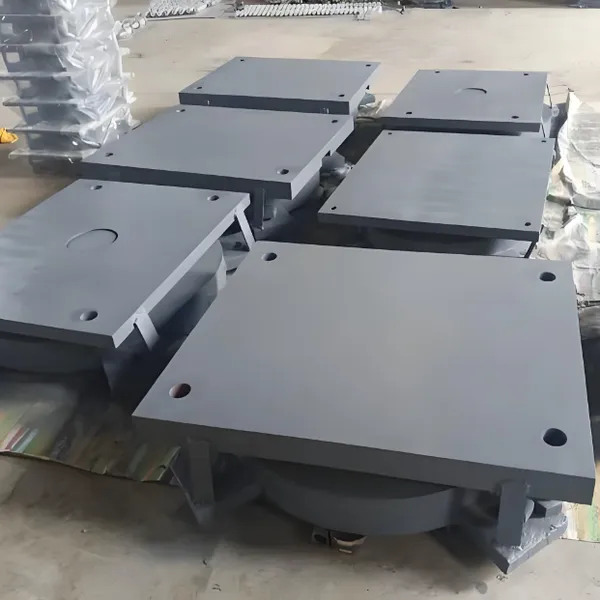
A pot-type bridge bearing is a structural bearing that carries very high vertical loads while allowing the deck to rotate. It takes its name from its shape: a shallow cylindrical steel pot holds a confined elastomer pad, and a close-fitting piston or upper plate presses down on it.
The elastomer inside the pot is the key. Because the steel pot confines it on all sides, the elastomer can't bulge outward the way an unconfined rubber pad would. It behaves almost like an incompressible fluid. As a result, the bearing has very high vertical stiffness and carries enormous load with almost no vertical deflection.
Yet the elastomer can still shear internally, and that is what allows rotation. When the deck rotates slightly at the support, the elastomer deforms to accommodate it while the pot keeps carrying the load. Confinement gives a pot bearing its defining advantage: high load capacity and real rotation capability in the same compact unit.
Key Components of a Pot Bearing
A typical pot bearing, also called a basin-type bearing, is made of several precision parts:
Pot (base plate). A machined cylindrical steel body that contains the elastomer and transfers load to the pier.
Confined elastomer pad. The deformable element, usually natural rubber or chloroprene, sized to the load and rotation demand.
Piston or upper plate. The close-fitting plate that compresses the elastomer and carries the deck load.
Sealing ring. The component that keeps the elastomer confined and prevents extrusion under high pressure. Seal integrity separates a reliable pot bearing from a leaking one.
Sliding surface (on sliding types). A PTFE (polytetrafluoroethylene) layer against polished stainless steel that allows horizontal movement with low friction.
Guide bars or restrainers (on guided and fixed types). Steel elements that control or block horizontal movement in specific directions.
Every one of these parts is machined and assembled to tight tolerance. In a pot bearing, small dimensional errors become large performance problems.
If you are specifying bearings for a heavy bridge, send us your load and rotation requirements and our engineers will confirm the right bridge pot bearing before your design is frozen.
Pot Bearing Types: Fixed, Guided, and Free Sliding
These bearings are classified by how they handle horizontal movement. All of them carry vertical load and allow rotation. They differ in what they restrain.
Fixed Pot Bearing
A fixed pot bearing blocks horizontal movement in all directions. It transfers horizontal forces such as wind, braking, traction, and seismic loads into the substructure while still allowing the deck to rotate. You find fixed pot bearings at points where the structure needs a horizontal anchor.
Guided (Sliding) Pot Bearing
A guided pot bearing allows movement along one axis and restrains it along the other. It uses a PTFE sliding surface for the free direction and guide bars for the restrained direction. Guided bearings are common where a bridge needs to expand in one direction only, such as along the length of a deck while staying laterally fixed.
Free Sliding Pot Bearing
A free sliding pot bearing allows movement in all horizontal directions. A PTFE pot bearing of this kind combines a low-friction sliding surface with no guide restraint. This type handles decks that expand and contract freely and rotate under load, and it's often paired with fixed or guided bearings elsewhere in the same span to define how the bridge moves.
The mix of fixed, guided, and free sliding bearings across a bridge is a design decision, not an installation convenience. The arrangement decides where thermal movement is released and where forces are anchored.
Pot Bearing Load Capacity and Rotation
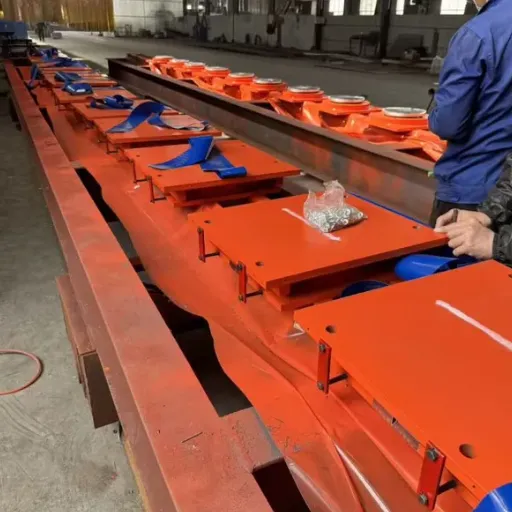
Two numbers define most pot bearing specifications: the vertical load and the rotation.
Vertical load capacity. These bearings are built for heavy duty. Standard ranges start around 1,000 kN and extend well past 30,000 kN, with custom designs for the largest structures. The confined elastomer is what makes these numbers possible in a compact steel body.
Rotation capacity. Rotation is measured in radians. Typical units provide rotation capacity in the range of 0.01 to 0.02 rad, which sounds small until you convert it. Over a 30-meter span, 0.02 rad of rotation corresponds to significant deck movement at the support. A bearing that can't deliver the required rotation will force the deck to rotate elsewhere, often into the substructure.
| Parameter | Typical Range | Notes |
|---|---|---|
| Vertical load capacity | ~1,000 kN to 30,000+ kN | Custom designs above this range |
| Rotation capacity | 0.01 to 0.02 rad | Sized to the deck's rotation demand |
| Horizontal movement | Up to hundreds of mm | Sliding types, set by PTFE surface and travel |
| Design life | 50+ years | With correct specification and installation |
Friction on the sliding surface matters too. A well-made PTFE and stainless steel pair keeps friction low so the bearing releases movement without transferring damaging forces into the piers. As friction rises, so does the force the substructure has to resist.
If your project needs a high-load bridge bearing with large rotation, we manufacture pot bearings engineered to your load and movement data with test records to support the specification.
Pot Bearing vs Plate Bearing vs Spherical Bearing
Choosing a pot bearing is really about matching the bearing type to the load, movement, and rotation demand. Pot bearings are one of three common structural bearing families. For the wider family of elastomeric supports, see our guide to bridge rubber bearing types.
Plate (laminated) bearings. Alternating rubber and steel layers bonded by vulcanization. They handle moderate loads and rotations well and suit many standard highway bridges. They are simple, proven, and economical at moderate demand.
Pot bearings. Best when loads are high and rotation is moderate to large. The confined elastomer delivers high vertical stiffness in a compact unit. They are the standard answer for large bridges, heavy viaducts, and structures where a laminated bearing can't carry the load or the rotation.
Spherical bearings. A spherical bearing uses a concave and convex sliding pair to allow rotation, often combined with a PTFE sliding surface. They handle very large rotations and can also carry high loads. Where rotation is extreme, a spherical bearing may be the better fit.
| Factor | Plate Bearing | Pot Bearing | Spherical Bearing |
|---|---|---|---|
| Load capacity | Moderate | High to very high | High |
| Rotation capacity | Limited to moderate | Moderate to large | Very large |
| Vertical stiffness | Moderate | Very high | High |
| Best for | Standard highway bridges | Large bridges, heavy loads | Extreme rotation demands |
Pot bearings earn their place when the design demands both heavy load and real rotation in one component. If your bearing schedule already shows plate bearings, a comparison of plate bearings and pot bearings will tell you where the switch is justified. Where rotation is extreme, a pot bearing vs spherical bearing review settles the choice.
How to Select a Pot Bearing
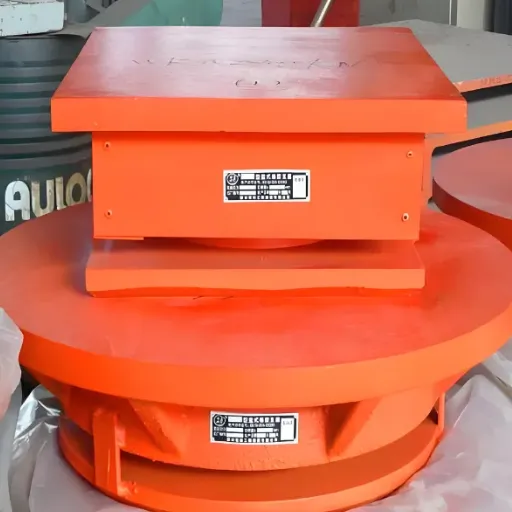
Selection follows the same logic on every project. Work through these inputs before you talk to a supplier.
Determine the vertical load. Calculate the dead load, live load, and any dynamic or seismic load the bearing must transfer, including load factors from your design code.
Calculate the rotation demand. Establish how much the deck rotates at the support under dead and live load. Rotation governs the elastomer size and the bearing type.
Calculate the horizontal movement. Add thermal expansion, creep, shrinkage, and seismic movement. This sets the sliding travel and whether you need a fixed, guided, or free sliding type.
Assess seismic demands. In seismic regions, decide whether a standard pot bearing is enough or whether you need a pot bearing combined with isolation or damping devices.
Define the environment. Temperature range and exposure affect elastomer and steel selection, corrosion protection, and coating.
Confirm the standards. Specify the governing standard, such as EN 1337-5 for pot bearings and AASHTO LRFD provisions where applicable, and require test evidence against it.
Verify the supplier's process. Confirm that the manufacturer controls steel fabrication, elastomer quality, sealing, and testing. That control is what protects the design intent.
Get these inputs onto paper and the bearing type usually selects itself. Get them wrong, and no amount of supplier goodwill will fix a bearing that doesn't rotate or can't carry the load. If you'd rather work through them with an engineer, our bridge bearing selection guide sets out the checks in order.
Manufacturing and Testing a Reliable Bearing
A pot bearing is a precision assembly, and its failure modes are all manufacturing problems. Inspection programs such as those published by the US Federal Highway Administration treat bearing condition as a structural safety item for exactly this reason.
The classic failure is elastomer extrusion or leakage. It happens when the seal doesn't confine the elastomer properly, or when the pot geometry drifts out of tolerance under pressure. The elastomer escapes, the bearing loses stiffness, and the deck settles unevenly. A seal failure on a bridge isn't a small repair; it's a jacking operation.
However, other failure modes include PTFE wear or debonding on sliding types, corrosion of the pot body, and loss of confinement from a distorted piston.
A disciplined manufacturing process prevents each one:
Steel fabrication control. The pot is machined and, where welded, welded to procedure. Dimensional tolerances are checked, not assumed, because confinement depends on them.
Elastomer quality control. The rubber compound is qualified before production, and mixing and vulcanization are controlled to hit the required stiffness and durability.
Seal and assembly control. The sealing ring is installed and verified, and the assembly is checked for correct confinement before it leaves the workshop.
Finished bearing testing. Every batch is sampled and tested for bearing capacity, shear resistance, seismic performance where specified, and fatigue durability. Sliding types are also checked for friction and travel.
Consider what happened to a highway authority in Southeast Asia. After five years in service, several pot bearings on a major viaduct began leaking elastomer. The investigation traced the problem to out-of-tolerance pot bodies from a low-cost supplier who had never run a seal integrity test. Remedial jacking and bearing replacement cost far more than the original bearings ever saved.
Then there is the other side of the ledger. Marcus, a bridge engineer specifying bearings for a port access viaduct, asked three suppliers for batch test data. Two sent datasheets. One sent load, shear, and fatigue test records for the exact bearing sizes in his schedule. He did not need to argue about price, because the evidence removed the risk his client cared about.
At Hengshui Ruibin New Materials LLC, we build pot bearings with qualified steel and elastomer, controlled fabrication and sealing, and batch testing that covers bearing capacity, shear resistance, seismic performance, and fatigue durability. We follow full-process quality control in line with international and EU engineering standards, and we document every procedure. If you want proof before you buy, request our bearing test reports and check them against your specification.
Conclusion: Specifying a Pot Bearing with Confidence
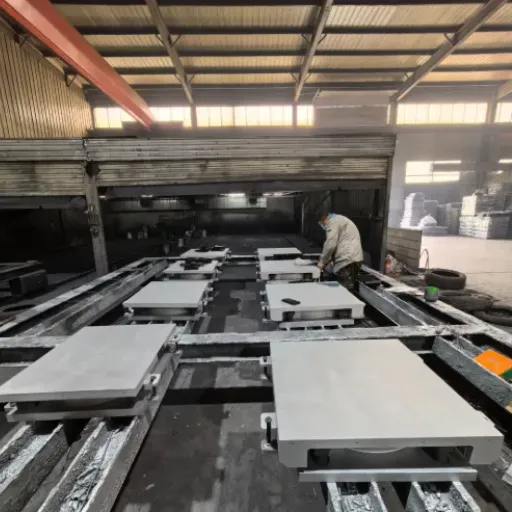
A pot bearing is a small part of a bridge's cost and a decisive part of how it behaves. The right one carries enormous load, lets the deck rotate, and releases movement exactly as designed for decades.
Know the three types. Fixed, guided, and free sliding pot bearings define how a bridge moves, so the arrangement matters as much as the type.
Size for load and rotation together. High load capacity is common; the harder requirement is the rotation the confined elastomer must deliver.
Match the bearing to the demand. Plate bearings suit moderate loads and rotations, pot bearings handle heavy loads, and spherical bearings handle extreme rotation.
Work the selection inputs. Load, rotation, horizontal movement, seismic demand, environment, and standards drive the specification.
Demand batch test data. Load, shear, seismic, and fatigue testing, plus seal integrity checks, are the evidence that the bearing will perform.
If your structure needs high load capacity with real rotation, a pot bearing is likely the correct answer. Send your load, rotation, movement, and seismic requirements to our engineering team. We will confirm the right bearing type for your project and back it with documented test data. Request a quote to close out the specification for your bridge.
Recently Posted
-
Fiberglass Cable Tray Guide: Types, Benefits & Sourcing
September 22, 2026On a Thursday in September 2024, the electrical team at a chlor-alkali plant in Gujarat pulled the third galvanized steel cable tr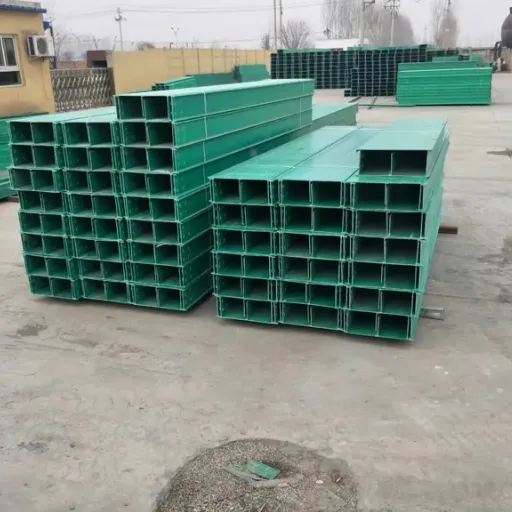 Read More
 -
FRP Grating Standards and Test Reports: A Buyer's Guide
September 21, 2026In March, Mateo Silva, a project engineer on a fertilizer terminal expansion in Chile, rejected an entire shipment of fiberglass g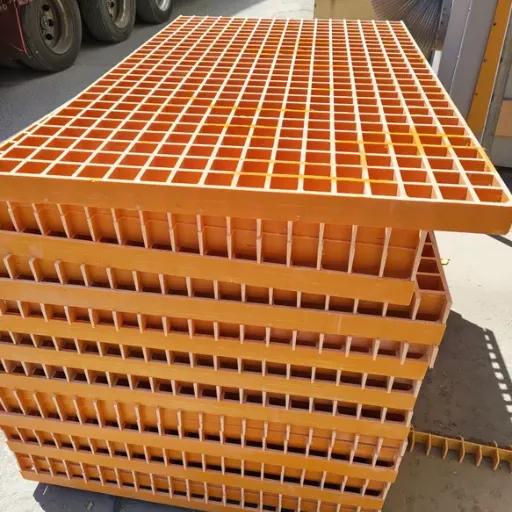 Read More
 -
Rubber Bearing for Bridges: Installation & Inspection Guide
September 20, 2026The bearings were perfect when they left the factory. Every batch test had passed. Then a site crew set them on plinths that were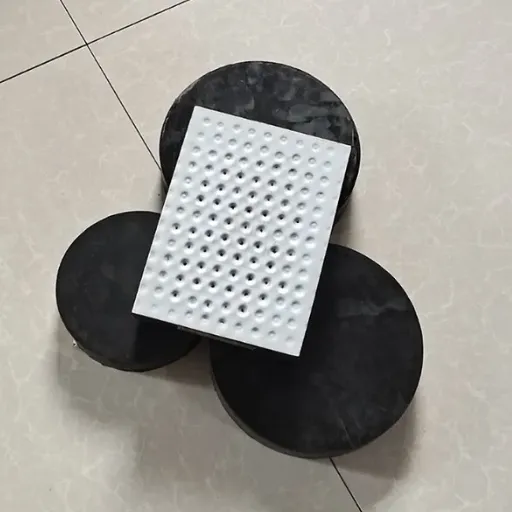 Read More
 -
Seismic Rubber Bearings: How Isolation Protects Bridges
September 19, 2026In 2023, a structural engineer named Elena watched a jacking crew lift a 40 m deck section of a river crossing by 40 mm so the sei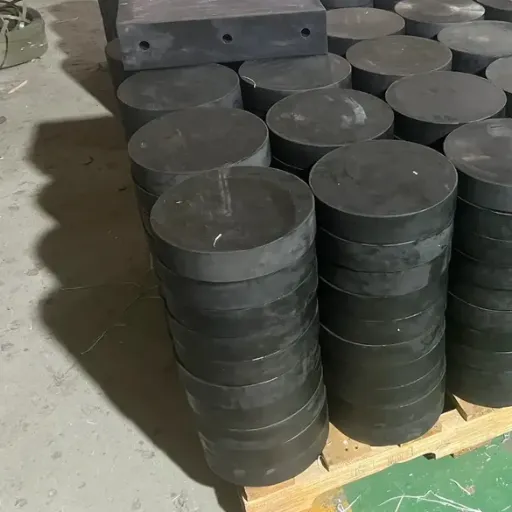 Read More

Contact Us
Recommended Products
-
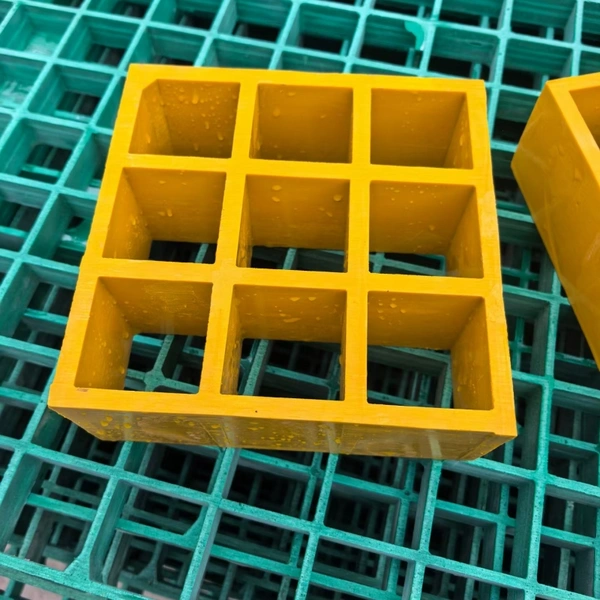
 Corrosion Resistant Grating Board FRP Fiberglass Grating for Sidewalk FloorNegotiableMOQ: 100 Square Meters
 -
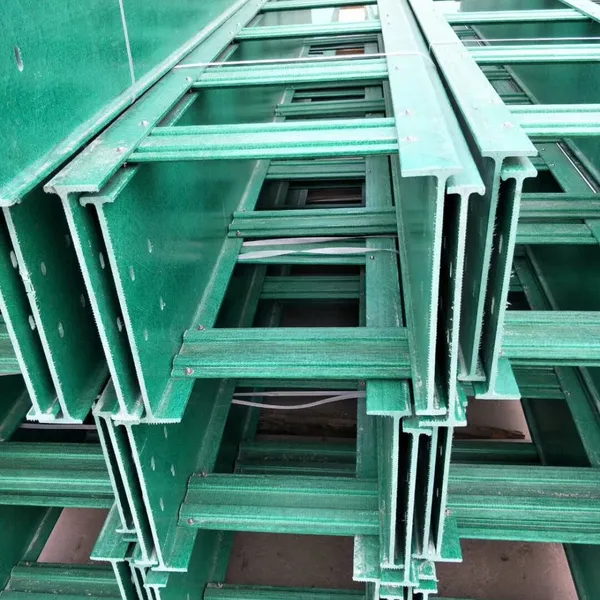
Outdoor Fiberglass Ladder Type FRP GRP Cable Tray for Industrial Cable SupportNegotiableMOQ: 50 Meters
-
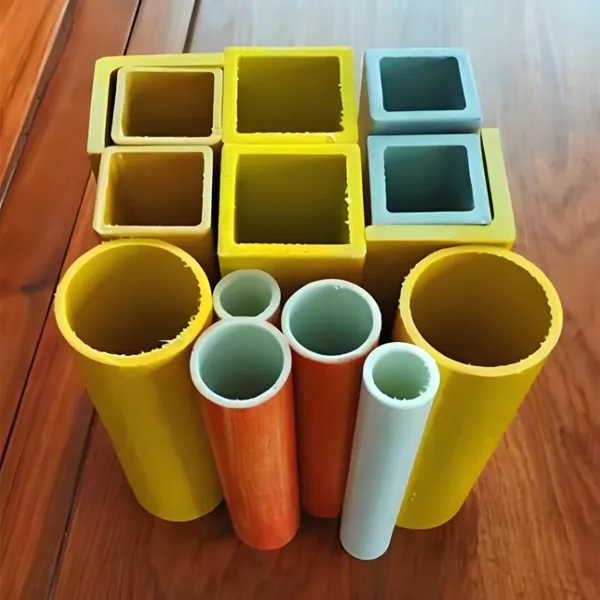
FRP Pultruded Box Section Profiles as Durable Building Material for ConstructionNegotiableMOQ: 300 Pieces
-
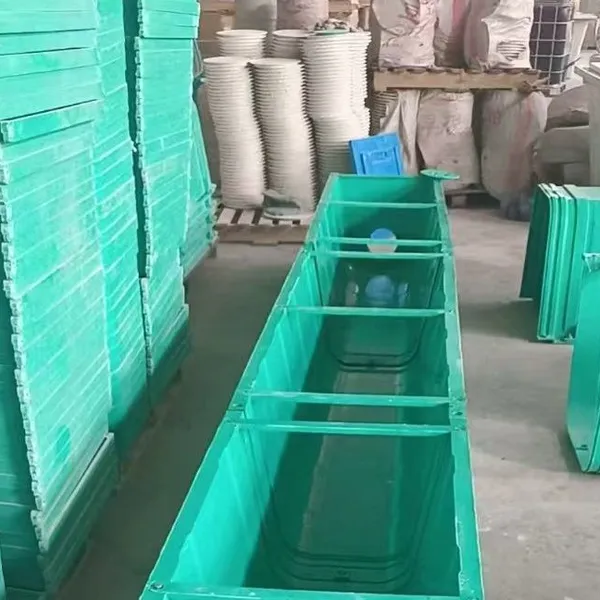
FRP/GRP U-Shape Trench Cover for Road Drainage ApplicationsNegotiableMOQ: 1 Set
-
Steel Grating Drainage Cover and Catwalk Walkway GratingNegotiableMOQ: 300 Square Meters
-
Sliding Neoprene Elastomeric Bridge Bearing Pad for Expansion Joints Low FrictionNegotiableMOQ: 1 Piece
-
FRP Plastic Septic Tank for Chemical Plant School Hotel Hospital Sewage TreatmentNegotiableMOQ: 1 Set
-
Customized High Load Polymer Concrete Drainage Channel - OEM AvailableNegotiableMOQ: 1 Set
-
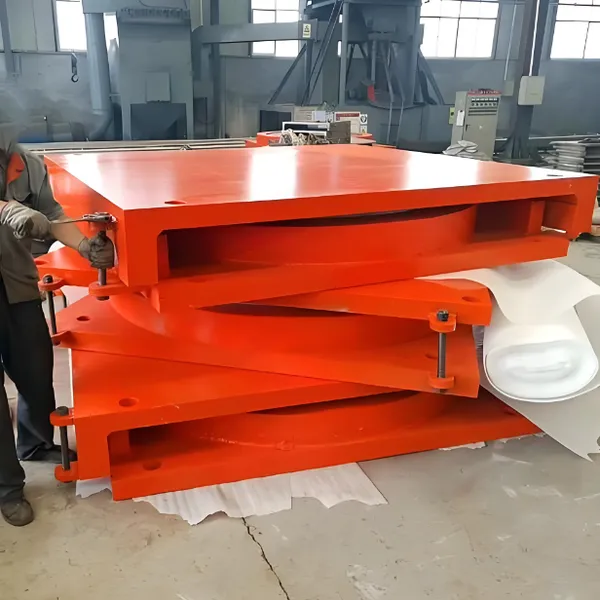
Pot Type Bridge Rubber Bearing Pad for Seismic Isolation and Shock Absorption SupportNegotiableMOQ: 50 Pieces
-
Outdoor FRP Ladder Cable Tray UV Stabilized GRP Fiberglass Ladder Tray for Solar Power StationNegotiableMOQ: 50 Meters
-
Anti-Aging FRP Fiberglass GRP Pultrusion Grating for Outdoor ApplicationsNegotiableMOQ: 100 Square Meters
-
China Manufactures High Performance Bridge Rubber Pot BearingNegotiableMOQ: 1 Piece
-
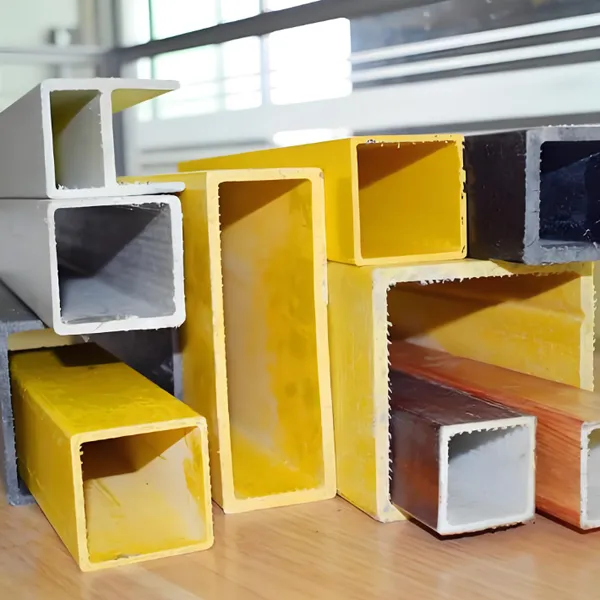
Weatherproof Structural FRP Square Rectangular Tube Pultruded Profile for Outdoor UseNegotiableMOQ: 300 Pieces
-
Isolation Spherical Bearing and Damping Pad for Bridge Seismic ProtectionNegotiableMOQ: 300 Pieces
-
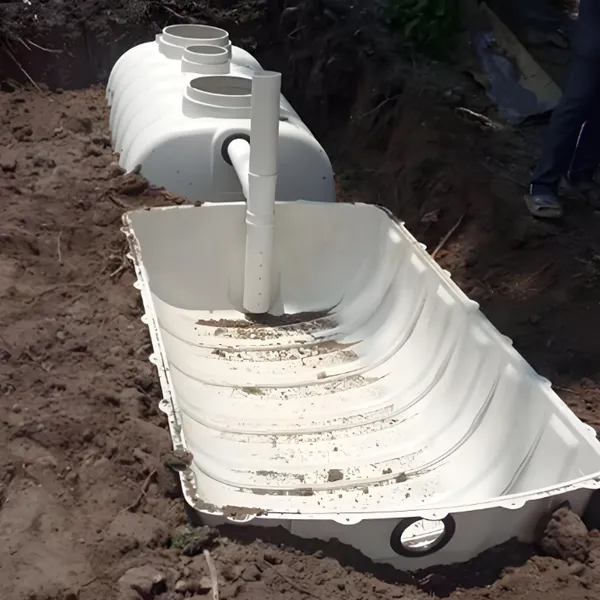
Fiberglass FRP/GRP Biogas Septic Tank for Sewage Treatment and PurificationNegotiableMOQ: 1 Set
-
Fiberglass Reinforced Plastic Grating for Walkway Flooring, FRP GRPNegotiableMOQ: 100 Square Meters
-
C-Channel FRP/GRP Pultruded Profiles for Structural SupportNegotiableMOQ: 300 Pieces
-
High Durability Molded FRP Grating for Walkways, GRP FiberglassNegotiableMOQ: 100 Square Meters
-
Laminated Rubber Bearings for Bridge and Building Seismic Isolator ApplicationsNegotiableMOQ: 50 Pieces
-
FRP Fiberglass Ladder Cable Tray for Power Supply and Electrical Wiring SystemsNegotiableMOQ: 50 Meters